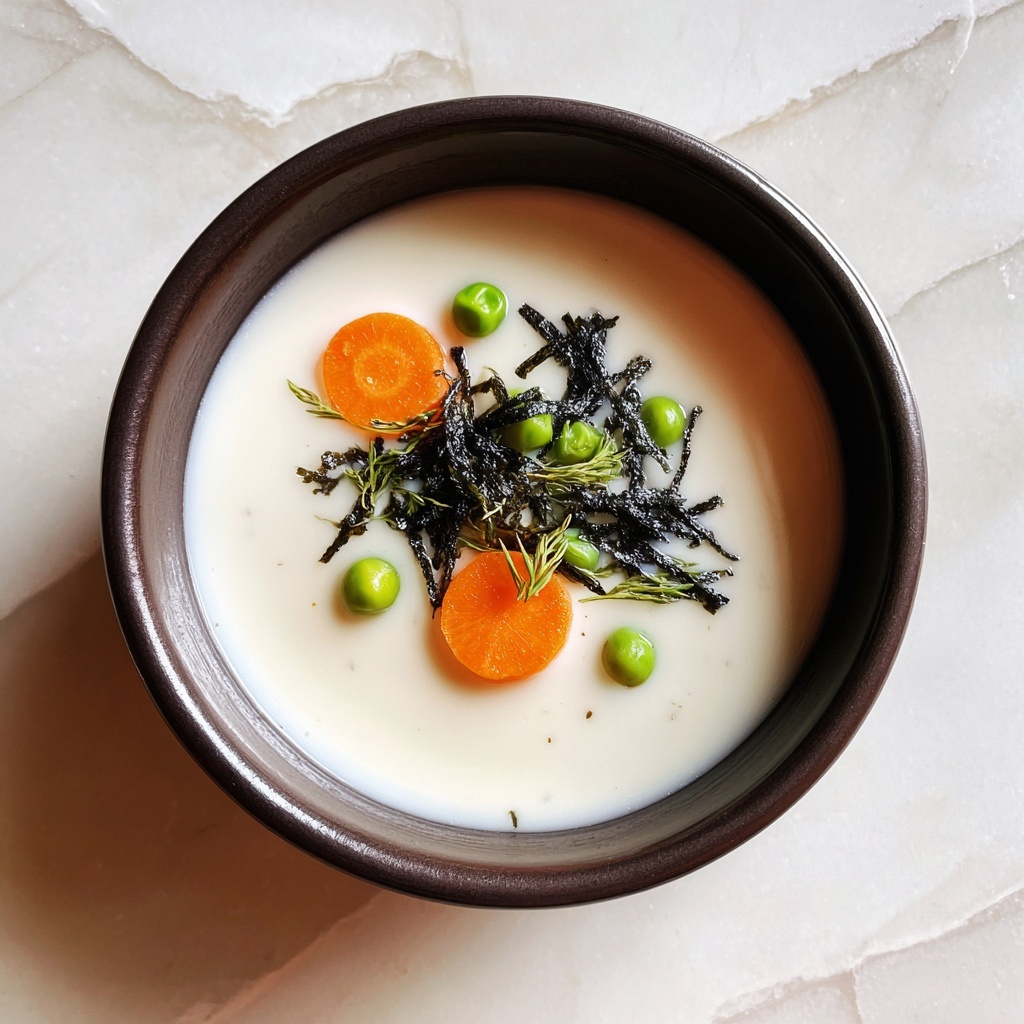
If you’ve ever been charmed by the silky, custardy texture and delicate flavors of Japanese cuisine, then you are going to absolutely adore Chawanmushi: A Delicate Japanese Steamed Egg Custard Recipe. This classic savory custard is a tender, warm embrace in a cup, combining the subtle sweetness of dashi broth with the gentle richness of eggs, complemented by tender mushrooms, shrimp, and crab sticks. It’s deceptively simple to make yet remarkably elegant — perfect for impressing guests or treating yourself on a cozy night in.
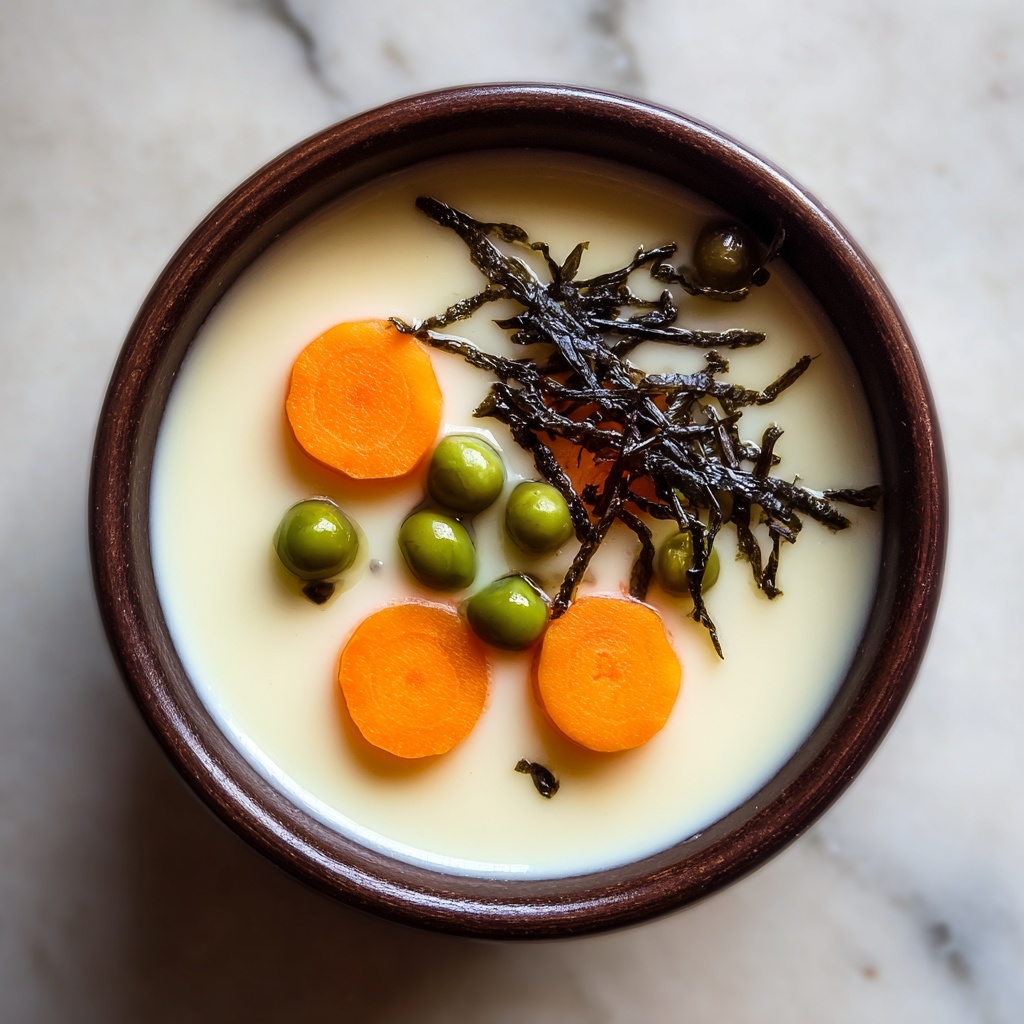
Ingredients You’ll Need
Chawanmushi shines because of its humble yet essential ingredients that come together to create a harmony of taste, silky texture, and an inviting pale-yellow color. Each item plays a role, balancing umami, sweetness, and freshness.
- 3 eggs: The star ingredient that creates the creamy custard base when gently steamed.
- 350 ml water: Dilutes the eggs and mixes with dashi to give a light and smooth consistency.
- 1/2 tsp Dashi powder: Infuses the custard with a subtle umami flavor characteristic of traditional Japanese cooking.
- 1/2 tsp salt: Enhances flavors without overpowering the delicate custard.
- 1 tsp soy sauce: Adds a gentle savory note and a beautiful golden tint.
- 1 tsp sugar: Balances the saltiness and brings out the natural sweetness of the broth.
- Mushrooms, sliced: Provide earthy depth and a textural contrast within the silky custard.
- Shrimp, peeled and deveined: Delivers a tender seafood bite that feels luxurious yet light.
- Crab sticks, sliced: Adds subtle sweetness and visual appeal to the dish.
How to Make Chawanmushi: A Delicate Japanese Steamed Egg Custard Recipe
Step 1: Whisk the Eggs Gently
The key to that perfectly smooth texture is to beat your eggs gently—overmixing creates bubbles and a tougher custard. Use a fork or chopsticks and stir slowly until the yolks and whites are just combined.
Step 2: Mix the Broth
In a separate bowl, dissolve the dashi powder, salt, soy sauce, and sugar into the water until thoroughly combined. This warm broth will infuse the custard with gentle umami and balanced seasoning, crucial for authentic flavor.
Step 3: Combine Egg Mixture and Broth
Pour the broth into the beaten eggs gradually, stirring slowly to merge everything evenly. Strain the mixture through a fine sieve to remove any lumps or chalaza strands, ensuring the custard turns out silky smooth.
Step 4: Prepare the Cups
Distribute the mushrooms, shrimp, and crab sticks evenly into small cups or ramekins. These toppings add bursts of flavor and delightful texture surprises in your custard.
Step 5: Pour and Steam
Carefully pour the egg mixture over the toppings in each cup, leaving about a centimeter of space at the top to allow for gentle expansion during steaming. Cover each cup with plastic wrap and poke a few tiny holes to let steam escape, preventing water droplets from falling onto the custard.
Step 6: Steam to Perfection
Place the cups in a steamer over simmering water and steam for about 15 to 20 minutes. The custard is done when it’s just set — jiggle the cup slightly to check, the texture should be soft and tender like a gentle wobble in jelly.
How to Serve Chawanmushi: A Delicate Japanese Steamed Egg Custard Recipe
Garnishes
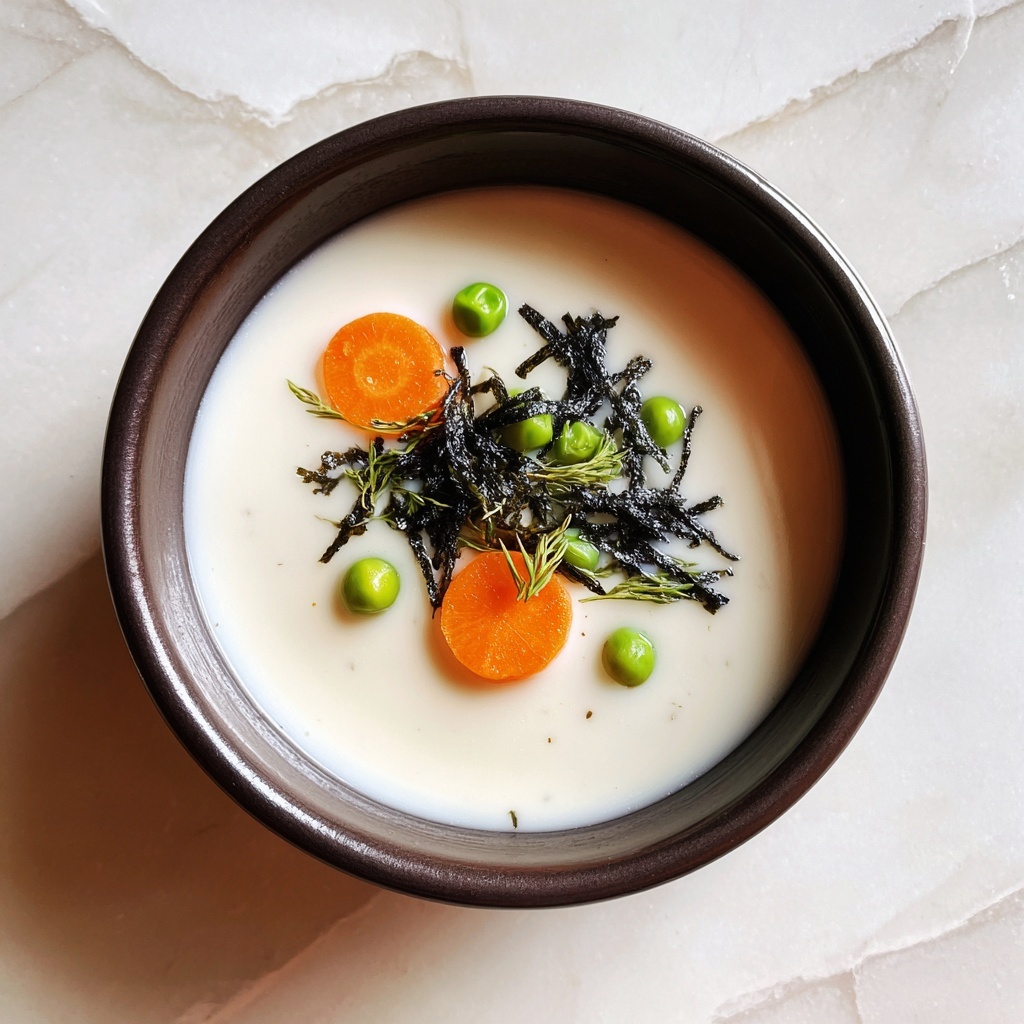
Enhance your chawanmushi with a sprinkle of finely sliced green onion or a touch of freshly grated yuzu zest. These bright notes lift the custard’s gentle richness and add aromatic freshness.
Side Dishes
This delicate steamed egg custard pairs beautifully with light Japanese sides such as pickled vegetables, steamed rice, or a crisp cucumber salad. Together, these sides balance warmth, texture, and flavor for a well-rounded meal.
Creative Ways to Present
For an impressive presentation, serve chawanmushi in elegant ceramic cups or small lacquer bowls. Add edible flowers or a delicate drizzle of soy reduction on top for a modern twist. You can also experiment by folding seasonal ingredients like ginkgo nuts or small bits of chicken into the custard for added personal flair.
Make Ahead and Storage
Storing Leftovers
Leftover chawanmushi can be stored in an airtight container in the refrigerator for up to 2 days. Keep it chilled and covered to maintain the creamy texture and to prevent it from absorbing other fridge odors.
Freezing
While you can freeze chawanmushi, it’s not ideal as the custard texture can become watery or grainy upon thawing. If necessary, freeze in airtight containers for up to a month, but plan to enjoy fresh for best results.
Reheating
To reheat, gently steam the custard again or warm in a microwave at low power, covering loosely to retain moisture. Avoid overheating as this will cause the custard to toughen or curdle.
FAQs
Can I use store-bought dashi instead of dashi powder?
Absolutely! Fresh dashi made from kombu and bonito flakes can elevate your chawanmushi with even deeper umami flavor, but dashi powder is a convenient and effective shortcut for everyday cooking.
Is it possible to make chawanmushi vegetarian?
Yes, simply substitute the dashi powder with a vegetarian kombu-based broth and replace shrimp and crab sticks with tofu cubes or vegetables like spinach and carrots for a lovely vegetarian version.
Why is my chawanmushi tough or rubbery?
This usually happens if the eggs are overbeaten or if the custard is steamed too long or at too high heat. Gentle whisking and low, consistent steaming yield the signature soft and silky texture.
Can I prepare chawanmushi without a steamer?
Yes! You can create a makeshift steamer by placing a heatproof rack or bowl inside a large pot with a bit of boiling water underneath. Just cover tightly and steam carefully on low heat.
What are some toppings to try besides shrimp and crab sticks?
Popular alternatives include small pieces of chicken, ginkgo nuts, kamaboko (fish cake), or even thin slices of seasonal mushrooms. Each offers a unique texture and flavor to customize your chawanmushi experience.
Final Thoughts
There’s something truly magical about mastering Chawanmushi: A Delicate Japanese Steamed Egg Custard Recipe. It’s a comforting dish that feels like a warm hug from the heart of Japanese cuisine. Whether it’s your first try or you’re revisiting an old favorite, this recipe invites you to slow down, savor each bite, and share a little piece of culinary joy with your loved ones. Give it a go — your taste buds will thank you!
Print
Chawanmushi: A Delicate Japanese Steamed Egg Custard Recipe
- Prep Time: 10 minutes
- Cook Time: 20 minutes
- Total Time: 30 minutes
- Yield: 4 servings
- Category: Appetizer
- Method: Steaming
- Cuisine: Japanese
- Diet: Gluten Free
Description
Chawanmushi is a traditional Japanese steamed egg custard that is smooth, delicate, and savory. This recipe combines eggs with dashi, soy sauce, and a touch of sugar, steamed together with mushrooms, shrimp, and crab sticks for an elegant appetizer or side dish. The custard is velvety-soft with a gentle umami flavor, perfect for a comforting yet refined meal.
Ingredients
For the Custard:
- 3 eggs
- 350 ml water
- 1/2 tsp Dashi powder
- 1/2 tsp salt
- 1 tsp soy sauce
- 1 tsp sugar
For the Toppings:
- Mushrooms, sliced (about 1/2 cup)
- Shrimp, peeled and deveined (4-6 pieces)
- Crab sticks, sliced (2 sticks)
Instructions
- Whisk eggs: Beat the eggs gently in a bowl to avoid creating too many bubbles, aiming for a smooth and uniform mixture.
- Combine ingredients: In another bowl, dissolve the dashi powder, salt, soy sauce, and sugar into the 350 ml of water, mixing well to create the seasoned broth.
- Prepare cups: Arrange the sliced mushrooms, shrimp, and crab sticks evenly into 4 small cups or ramekins.
- Pour egg mixture: Strain the beaten eggs through a fine sieve to remove any lumps or bubbles, then slowly pour into each cup over the toppings, leaving some space at the top for expansion during steaming.
- Steam: Cover each cup with plastic wrap and poke small holes in the wrap to allow steam to escape. Steam the cups gently over medium heat for 15-20 minutes or until the custard is set and silky in texture.
- Serve: Carefully remove the cups from the steamer and serve the chawanmushi warm for the best flavor and texture.
Notes
- Use gentle whisking to avoid incorporating air for a silky texture.
- Straining the egg mixture ensures a smooth custard without lumps.
- Adjust steaming time slightly depending on the size of your cups or ramekins.
- Optional: Add other toppings like ginkgo nuts or chicken for variety.
- Serve immediately as the custard texture is best warm.